Refugees to be told to repay around £10,000 under new asylum plans
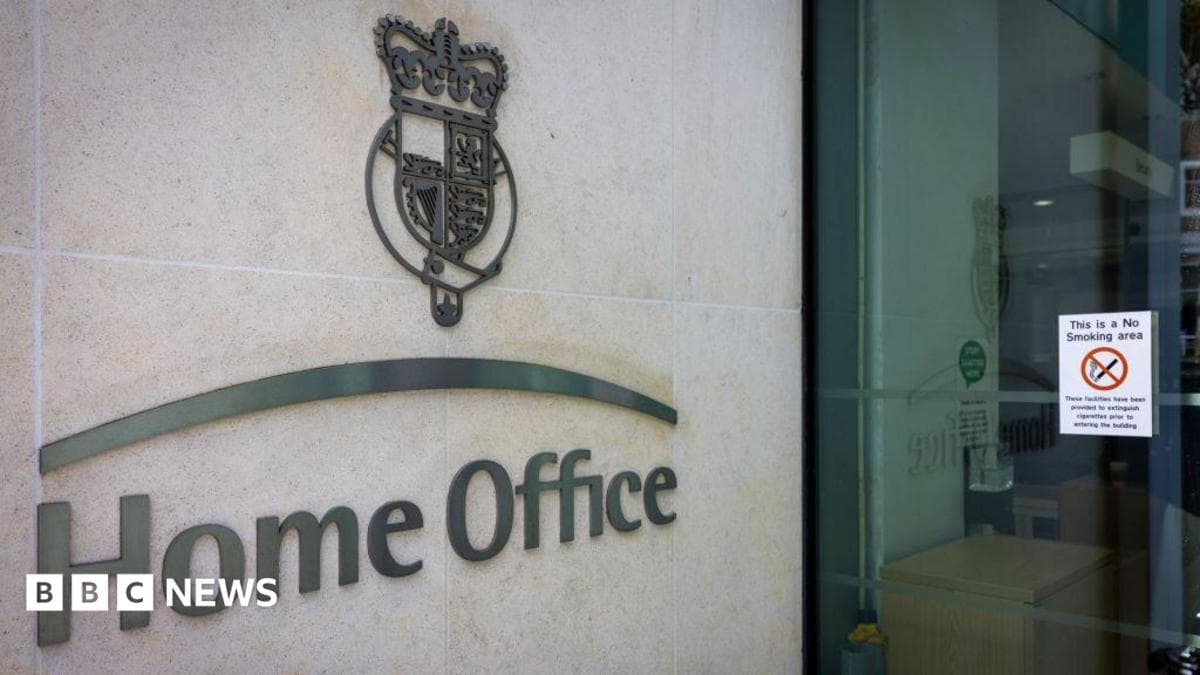
The plans will be included in the upcoming Immigration and Asylum Bill People granted asylum in the UK will be required to pay back around £10,000 towards the cost of their accommodation and support once they start earning, the government has announced. Adults who have sufficient funds will be asked to pay off the sum over time under new rules included in the upcoming Immigration and Asylum Bill, which will be put before Parliament on Tuesday. It will apply to asylum seekers who have the right to work in the UK, and must be paid off before they can become eligible to settle here permanently. Home Secretary Shabana Mahmood said the changes would demonstrate "asylum support is a right, but it is also a responsibility". She added: "Once people can contribute and repay the generosity of the British people, we expect them to do so." The plans will mean migrants working and earning a specific amount will be required to pay back a flat-rate sum, which is expected to be set at £10,000. The Home Office has not determined how much they would need to earn before making monthly instalments. The home secretary would have the power to adjust the charge and the repayment thresholds in the future to ensure "they are both fair to the taxpayer and will not force any migrant into destitution". Those whose claims have been rejected will also have to pay back the costs if their income matches the government threshold. Around £4bn of taxpayers' money was spent on supporting asylum seekers last year, according to the Home Office. The average cost of housing an asylum seeker for one night in publicly-owned accommodation is £23.25, and £144 in a hotel - while subsistence payments range from £9.95 to £49.18 for each person per week. The Refugee Council said the "unfair, impractical" plans amounted to an "extra tax on refugees", and would make it "harder for families to rebuild their lives and stand on their own feet". Its director of external affairs Imran Hussain said: "The reason why many need asylum support is because the Home Office itself bans asylum seekers from working while their claims are being assessed. "Asylum support is only given to people who are at risk of being destitute, so this new financial burden would only harm those who arrive on our shores with nothing." The University of Oxford's Migration Observatory questioned how much money the government would actually be able to recoup through the system, pointing to the low rates of employment and earning among refugees. Dr Madeleine Sumption said: "In 2023, for example, an estimated 13% of people granted refugee status five years earlier were earning at least £20,000, with the rest either not working or on lower earnings. "The data suggests that unless thresholds were significantly below the minimum wage, a relatively small share of people granted asylum would earn enough to make contributions to the scheme." According to the Home Office, a quarter of 16 to 64-year-olds granted asylum between 2015 and 2023 were in employment within the same calendar. That number rose to 50% two years after refugee status was granted. Of those who were in employment eight years after receiving refugee status, 37% had been in full-time work with median earnings of £23,000, with just 40% earning more than the minimum wage. Shadow home secretary Chris Philp said Labour had "adopted yet another" Conservative policy, adding: "This precise scheme was proposed by us in an amendment to the Immigration Bill last year, which Labour blocked." Ministers hope the Immigration and Asylum Bill will bring into force proposals that will create a firm but fair asylum system, and which will reduce the pull factors driving illegal migration. However, parts of the bill are expected to draw opposition from some Labour MPs opposed to some of the strictest measures it will contain. Last week, the Home Office revealed it was planning to use more former military barracks to house thousands of asylum seekers after closing 20 more hotels in England. It also said the new the immigration law would include plans for new "capped safe and legal" routes to the UK for refugees , which would involve organisations like universities, community groups and businesses sponsoring a person to reduce costs for the taxpayer. An asylum seeker is someone who wants to be in the UK because they say they cannot live safely in their own country due to persecution or violence. The government must house an asylum seeker if they cannot financially support themselves while their claim is being considered. There were 93,653 people in asylum accommodation as of March 2026. About 22% of those people, 20,885, were in hotels. These are used when there is not enough shared housing available, such as houses of multiple occupation (HMOs) or former military sites . The government has pledged to stop the use of hotels by 2029. More people are in hotels across the south of England than elsewhere in the UK, while HMOs are more common in the north of England and Scotland. A modern browser with JavaScript and a stable internet connection is required to view this interactive Type in a postcode or the name of a local council below to see how many asylum seekers are housed in the area A total of 93,525 people applied for asylum in the UK from April 2025 to March 2026. This was down by 12% on the same period in the previous year. Most people who arrive in the UK by small boat claim asylum, but they were only 42% of all asylum seekers from April 2025 to March 2026. The rest include people who arrived by other illegal means or who came to the UK legally and applied for asylum while holding, or just after holding, a valid visa. It can take years for the government to decide whether someone should be granted asylum. In March 2026, 48,758 people - across 35,744 asylum applications - were waiting for an initial decision. The number of people awaiting an initial decision was down by 55% on the previous year. As of March 2026, a further 87,450 refused asylum applications were part of a second backlog, waiting the outcome of an appeal in the courts. This was up by 72% on the previous year. Together, these initial decision and appeal cases form the governmentâs total asylum applications backlog, which it has pledged to clear . Refugee status was granted in about 39% of asylum decisions made by the Home Office from April 2025 to March 2026. About 39% of asylum appeal cases concluded between April 2025 to March 2026 resulted in a previous refusal decision being overturned.