What's happening to UK petrol and diesel prices now the US and Iran have a deal?
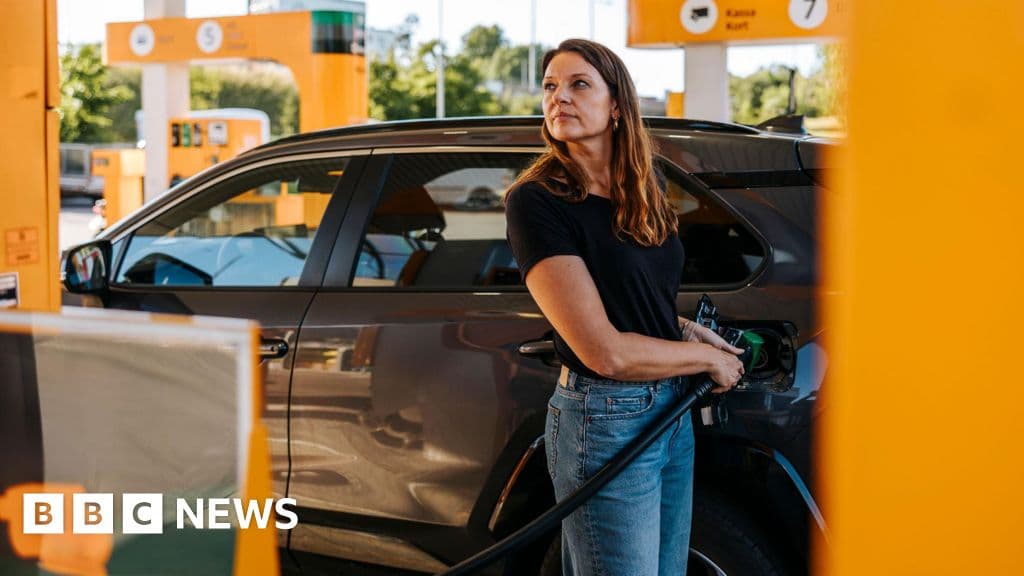
Motorists in the UK are already seeing cheaper fuel prices after the US and Iran agreed to end their war, with further falls expected in the coming weeks. When the conflict began on 28 February, fuel costs jumped as the war significantly disrupted the production and transportation of energy across the Middle East. However, in recent weeks they have dropped and the framework deal reached between the US and Iran has sent them to their lowest point since the first days of the war in early March. Motoring group the AA said it expects pump prices to fall further and "the timing is perfect for the start of the summer holidays". Crude oil is a key ingredient in petrol and diesel, which means that higher wholesale costs make filling up a car more expensive. Analysts say every $10 (£7.53) increase in the oil price pushes up pump prices by roughly 7p a litre. Since the war began, the price of a barrel of Brent crude – the global benchmark for wholesale oil prices – has been very volatile. Before the conflict, Brent was about $70 a barrel, but the conflict saw it peak at above $120. The price has been slipping in recent weeks and after the framework deal was signed it fell to around $76 a barrel on Thursday, before rising to just under $80 on Friday. According to the RAC, the price of petrol reached an Iran war peak of 159.53p a litre on 28 May, while diesel's highest price during the conflict was 191.54p a litre on 15 April. Since 28 May, the price of petrol has come down by 4.8p to 154.7p a litre, with diesel reducing by 10.3p to 174.3p a litre. The RAC says it now costs £85.05 to fill up a 55-litre family car with petrol – £12 more than it did on 28 February - and £95.86 for a tank of diesel – £17.56 more than at the start of the conflict. The RAC's head of policy, Simon Williams, said: "Even more positively, the rate of reduction ought to accelerate as the price of a barrel of oil has been under $80 for the last two days – something we haven't seen since the start of March. He said the price of petrol could fall below 150p a litre over the next week. Diesel is likely to fall to under 170p, he added. "If Brent crude stays at this level or reduces further, the longer-term picture at the pumps should get even better," said Williams. Despite the conflict, petrol and diesel prices remained below the levels reached in the summer of 2022 following Russia's invasion of Ukraine, when petrol reached 191.5p a litre and diesel hit 199p. Because transporting oil is a slow process, price movements in the wholesale markets take about a fortnight to show at the pump. Fuel retailers have denied accusations of price gouging during the conflict. The official markets regulator said it had "not seen evidence of retailers actively changing their pricing strategies to take advantage of the crisis". A government scheme called Fuel Finder lets drivers compare the cost of fuel offered by petrol stations across the UK. Luke Bosdet, the head of policy at the AA, said the group had been surprised at the speed that prices had fallen and put it down to the scheme. On 20 May Prime Minister Sir Keir Starmer said a planned 5p increase in fuel duty due in September would be postponed until 31 December because of the conflict. Bosdet added that despite price falls, road fuel is "still very expensive" compared with pre-pandemic levels when petrol was about 120p. The Middle East conflict sent global oil prices soaring as it effectively closed the Strait of Hormuz - one of the world's key water transport routes for oil, liquid natural gas and other essential commodities - limiting global supplies. About 20% of the world's oil and liquefied natural gas normally passes through the waterway. Analysis by BBC Verify showed that only a handful of ships have passed through the strait since the conflict began – in normal circumstances around 138 vessels make the crossing every day. However, experts warn a return to normal levels of shipping through the Strait of Hormuz will take time, and the impact of the war will continue to affect the global economy for potentially months to come. The UK is heavily reliant on oil and gas imports, with the majority coming from the US and Norway. The price of oil on the global market determines how much the UK pays for it. Although the UK does get some oil from the North Sea, most of that is exported for refining elsewhere. You can also send us your questions by following this link