Why did Keir Starmer resign and what could happen next?
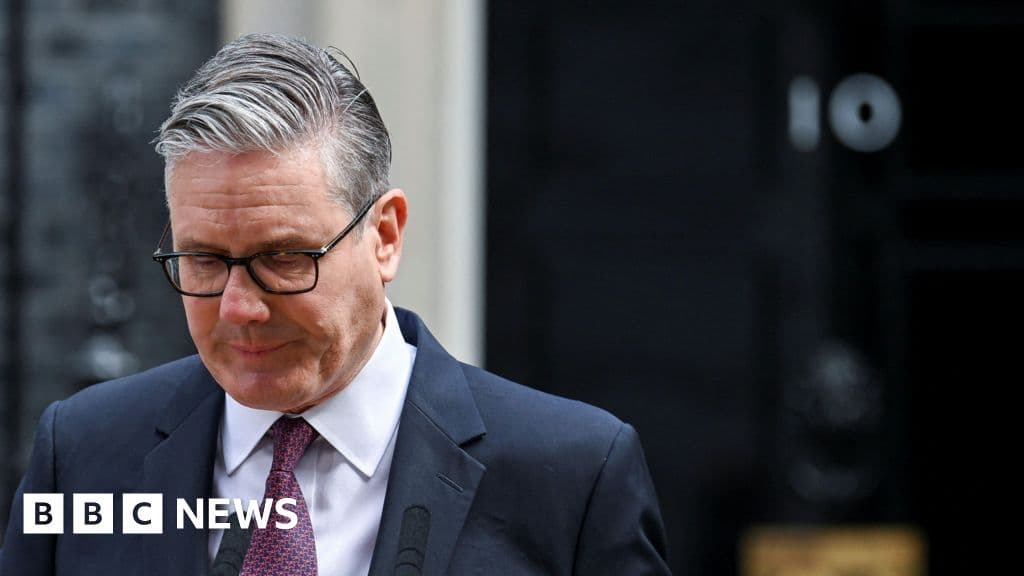
Sir Keir Starmer has announced his resignation as Labour leader, heralding the end of his time in 10 Downing Street. He has said he will stay on as UK prime minister until his successor is in place. Pressure on the Labour leader had been building for a while, amid dire approval ratings for the party generally and him personally. His premiership was further destabilised earlier this year, after the release of documents by the US Department of Justice reignited a scandal over his decision to make Peter Mandelson his US ambassador. A damaging by-election defeat in February, where Labour lost a formerly safe seat to the Greens after Sir Keir blocked the then Greater Manchester mayor Andy Burnham from standing, turned a series of local and national elections in May into a litmus test of his leadership. The results of those May elections were devastating, even worse than many in the party feared, prompting Wes Streeting to resign as health secretary as well as a clutch of more junior ministers. Sir Keir fought on, but his authority ebbed further when a long-simmering row behind the scenes over defence spending prompted Labour stalwart John Healey to resign as defence secretary earlier this month. Andy Burnham's decisive victory at the Makerfield by-election last week, where he successfully held off a challenge from Reform UK, cleared a path for him to return to Westminster and launch a formal leadership bid. After Burnham's election, Sir Keir initially insisted he would contest any leadership challenge - before concluding over the weekend that Labour MPs wanted someone else to lead them into the next general election. An official party timetable is yet to be announced, but in his resignation speech Sir Keir said contenders to replace him would have between 9 and 16 July to garner the necessary support to stand. The party's rulebook says candidates need to be nominated by 81 Labour MPs, as well as either 32 of Labour's 634 local branches, or three organisations affiliated to the party (including two trade unions). If more than one MP clears this threshold, there would then be a vote among party members and affiliated trade union supporters to pick a winner before Parliament returns from its summer recess on 1 September. But there are already signs that this may not be required. Burnham has confirmed he will be putting himself forward and is widely regarded as having more than enough support among Labour MPs to get on the ballot. But as yet no other Labour MP has said they will stand, whilst potential leadership rival Wes Streeting ruled himself out and threw his weight behind Burnham within hours of Sir Keir's resignation. If no other MP throws their hat in the ring, Burnham would automatically become Labour leader, allowing him to enter Downing Street as the UK's new prime minister as early as mid-July. The prospect of such a curtailed contest has already led to some calls from Labour MPs for Burnham, who has been out of Westminster for nearly a decade, to set out further details of his blueprint for office. It has also raised questions over how Sir Keir would achieve his stated desire to ensure an "orderly handover of power". The prime minister had promised to publish the defence spending plan that triggered Healey's resignation before a Nato leaders' summit on 7 July - but it is unclear whether that plan will now be pushed back yet again. And an EU summit planned for 22 July, at which Sir Keir had been due to unveil a series of agreements to "reset" the post-Brexit relationship with Europe, has already been postponed in the wake of Sir Keir's announcement. Sign up for our Politics Essential newsletter to keep up with the inner workings of Westminster and beyond.